


Chucky Figures at Gamedungeon.se – your guide to the right horror collectibles
There's something about Chucky figures that just sticks with you: the blend of "cute but creepy," iconic movie scenes, and pure nostalgia makes them some of the most sought-after horror figures in the collector's world. But when the selection ranges from stylized vinyl to heavy resin statues, the same questions always arise: which scale fits the shelf, which material lasts best, and how do you avoid a figure that feels cheap in real life?
In this guide, you'll get a clear overview of different types of collectible figures, how to choose the right level of detail and size, and how to find suitable options at Gamedungeon.se. We'll also cover common pitfalls (quality, pre-orders, accessories) and how to store and display your doll figures so they look better – and last longer.
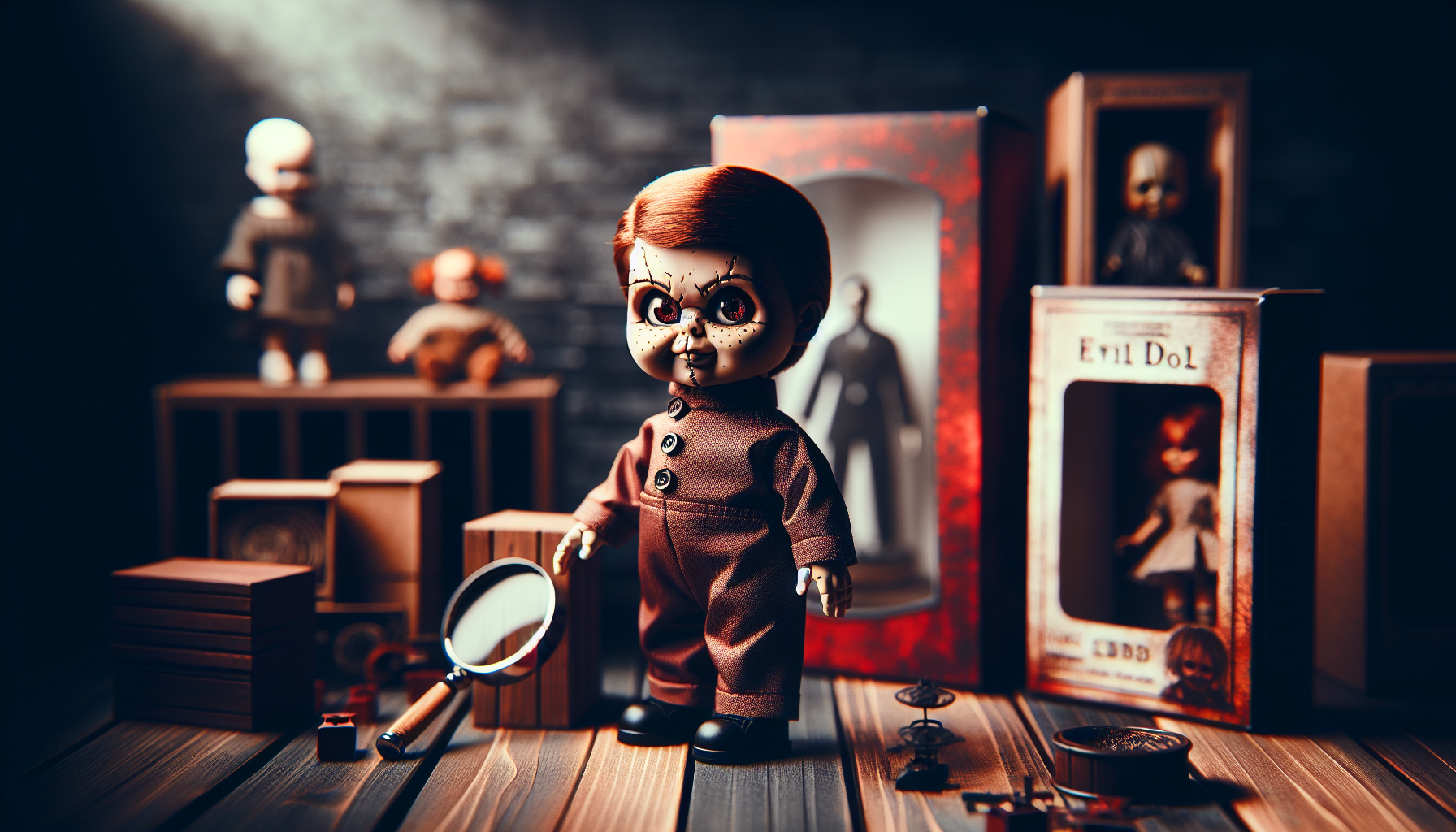
Chucky figures have gone from "fun horror gadget" to a clear centerpiece in many collections. It's not just about shock value, but about recognition: iconic movie scenes, classic one-liners, and that unsettling contrast between childish design and pure horror. As streaming services, reaction videos, and Halloween content dominate feeds, horror figures have become more visible—and thus more sought-after—than they have in a long time.
Pop culture, memes, and the “horror shelf” trend
Top-ranked collector guides usually point to three driving forces: social media visibility, limited releases, and the feeling of building a cohesive shelf. For doll motifs, the effect is particularly strong, as they act as "statement pieces" even in small spaces.
-
Horror dolls as collectible icons: They appear in memes, cosplay, and clips from movies/series—creating constant demand and new fans.
-
“Cute but creepy”: The cute exterior lowers the barrier for new collectors, while the dark theme makes the figure stand out in a collection.
-
Limited editions and complete series: Many hunt for entire waves/lines, which drives interest in both new and older releases.
At the same time, there's a practical reason: doll figures are often easy to place. A single well-chosen figure can create a "horror feel" on a desk without requiring an entire wall of merch—perfect for those building a minimalist, yet distinct, collector profile.
Unique angle: decor in gamer rooms and home theaters
Think of Chucky figures as interior design, not just collectibles. Combine a figure with directional LED lighting, a dark background, and a clean shelf, and it becomes a focal point object in your setup. The tip that's rarely mentioned: stick to one clear "horror zone" in the room—then the whole thing feels stylish instead of cluttered, and each collectible figure gets maximum effect.
Section 2: Different types of Chucky figures – material, style and level of detail
Not all Chucky figures are built for the same type of collection. Some are made for posing and photography, others to stand as a "centerpiece" in a display case. Top-ranked guides usually divide them by figure type and material, as this quickly determines price, durability, and how the "horror feel" actually comes across in the details.
Figure types: from poseable action figure to display statue
-
Action figures (articulated): Perfect if you want to recreate iconic scenes, swap hands/accessories, and get variety on your shelf. Pay extra attention to stable joints and whether clothing/fabric details risk staining light plastic.
-
Resin statues (display-focused): Often most "realistic" in sculpt and paint, with clear textures such as cracks, seams, and weathered surfaces. The downside is that resin can be heavier and more fragile, requiring a stable place (preferably protected from vibrations).
-
Vinyl figures (stylized): Collector-friendly, take up less space, and easy to build an entire "horror shelf" with. The style is often more "cute but creepy," making them look good even in a gamer corner without feeling too graphic.
-
Mini/blind box figures: Budget-friendly and fun thanks to chase variants, but offer less control over exactly which doll figure you get. Good as a complement rather than the core of the collection.
A gap in many articles is how materials actually feel over time: PVC is often durable but can get slight "warping" on thin parts; vinyl is robust but can be susceptible to pressure marks; resin gives a premium feel but is immediately punished by drops and improper storage.
Unique collector tip: dealing with "new plastic" smell and plasticizers
If your new figure has a strong chemical smell (common with PVC/vinyl), let it air out in a ventilated room for 24–72 hours, avoid direct sunlight, and do not store it tightly against soft plastic/foam that could react. This reduces the risk of a sticky surface and helps the figure stay fresh in the long run—especially if you want to display it in a closed cabinet.
Scale, size, and compatibility – choose the right figure for your collection
When comparing Chucky figures, it's easy to get caught up in face sculpt and paint job—but it's often the scale that determines whether the figure becomes a shelf favorite or a wrongly purchased "giant" that won't fit. Top-ranked collector guides almost always emphasize the same thing: first consider space, overall feel, and compatibility with the rest of your horror figures and collectibles before you click buy.
Common scales – and what they mean in practice
-
1/6 (approx. 25–32 cm): Maximum detail level, often fabric clothing and many accessories. Requires deeper shelves and more "air" around the figure to look premium.
-
1/12 / 6–7 inches (approx. 15–18 cm): Most versatile for action figures; easy to build a "horror shelf" with multiple characters without it feeling cramped.
-
Vinyl/"designer" sizes: Can vary greatly; always check the height in cm in the product description, not just the series name.
Unique check: measure your shelf in height, depth, and free space in front. A doll figure with protruding weapons, hair, or base may require several extra centimeters—something many guides miss.
Display compatibility, poses, and "photo-friendliness"
For the best "value for money," look for the combination of stability + poseability + accessories: extra hands, props, and alternate faces make the same figure feel new for years. Want to post on social media? Then 1/12 is often easiest: easy to light, quick to pose, and less risk of shadows obscuring details.
A pro tip for a horror feel in photos: choose poses where the doll "looks up" at the camera and leave negative space around the figure—it creates more tension than cramming everything tightly into a display case.
Quick rule of thumb before buying
Match the scale to your environment: 1/6 for a statement piece in the home theater, 1/12 for a cohesive collection in the gamer room, and vinyl when you want a strong silhouette and clear style without fuss. When the scale is right, the rest—theme, lighting, and atmosphere—becomes much easier to succeed with.
Section 4: Buying guide at Gamedungeon.se – how to find the right Chucky figure
Buying Chucky figures online should feel safe and easy—but in practice, many get stuck on the same questions: Is this version the right scale? Is it licensed? Is it in stock or a pre-order? With the right method, you can quickly pinpoint the right horror figure at Gamedungeon.se and avoid classic bad purchases that don't fit your shelf, budget, or collection's theme.
Smart search: filter for the right figure faster
Top-ranked buying guides almost always emphasize the importance of filtering and carefully reading product information. Use this as your "shortcut" directly on Gamedungeon.se:
-
Start with category + theme: Search for horror/collectible figures and then narrow down by series/character if you want to keep the collection consistent.
-
Filter by stock status: Choose in stock when you want fast delivery, or pre-order if you're hunting for limited releases and can wait.
-
Sort by price range: Set a ceiling that matches your plan (e.g., "one premium statue per quarter" or "small vinyl figures every month").
Always read the product description as a specification, not as marketing: dimensions, scale, material, what's included (base, extra hands/accessories), and that it is officially licensed.
Pre-purchase checklist: avoid common mistakes
Here's a practical check that's often missing from other articles, but saves both money and frustration:
-
Space at home: Measure shelf depth/height and compare with the figure's dimensions (especially important for resin/statues).
-
"Mint in box" or open?: If you want to keep the packaging nice—check how you plan to store the box before buying.
-
Theme and scale: Decide if you're building a uniform shelf (e.g., 1/12) or a "horror shelf" with mixed expressions.
By combining smart filtering with a simple checklist, Gamedungeon.se becomes not just a store—but an effective tool for building a collection that feels well-thought-out from the first collectible figure to the last.
Section 5: Price, value, and collector potential – what affects the cost?
The price of Chucky figures can vary greatly – and it's rarely just about size. Top-ranked buying guides usually point to licensing, manufacturer, and level of detail, but as a collector, you benefit from thinking in terms of "total value": how the figure looks on display, how it ages, and how easy it is to resell if you change direction. When you shop through an established store like Gamedungeon.se, you also get clearer product information and a more secure buying process, which in itself affects the perceived value.
The biggest price drivers (and how to interpret them)
-
License and brand: Officially licensed horror figures cost more, but usually offer better sculpt, print, and a correct "look" from the movie/series/game.
-
Manufacturer and quality level: Some manufacturers put more into paint apps, facial details, and consistent fit – which often only becomes apparent when the figure is under lighting on the shelf.
-
Material and construction: Resin/statues are often more expensive due to weight, finish, and limited editions; PVC/vinyl can be affordable but varies more in feel and durability.
-
Accessories and poseability: Extra hands, weapons/props, interchangeable faces, and a stable display base can increase both price and "value for money."
-
Edition, limited, and "chase": Limited releases can drive up the price quickly, but are not always a guarantee of long-term value increase.
A common mistake (that many articles don't talk about) is to compare prices without factoring in display costs: do you need a display case, extra lighting, or a larger shelf for a certain scale? If the answer is yes, a "cheaper" figure can become more expensive in practice.
Unique angle: build a collecting strategy that protects your wallet
To avoid impulse buys: set a maximum scale (e.g., 1/12 or 7-inch), choose 1–2 clear themes (e.g., demonic dolls + "classic horror"), and create a simple rule: "only buy if it adds something new" (pose, scene, material, or color scheme). Then every purchase at Gamedungeon.se becomes more accurate – and the collection feels curated, not stressed.
Authenticity, quality, and pitfalls – how to avoid fakes and disappointments
When you buy Chucky figures (or other horror figures/collectibles), the most common concern is the same as in top-ranked guides: "Is this licensed?" and "How do I know the quality is good?" Particularly sought-after characters often have fakes on the market, and even genuine figures can vary in QC (quality control) between different batches. The goal is for you to be able to shop safely—and discover any problems immediately upon delivery.
How to recognize a licensed figure (and a suspicious fake)
-
Official license & trademarks: Look for clear license information on the box and the manufacturer's name (e.g., on the bottom of the figure and on the packaging). Unclear logos, misspellings, or "generic" labeling are red flags.
-
Print and paint: Originals usually have sharp prints, even color edges, and consistent shade matching between face/hands. Fakes may have muddy eyes, "bleeding" paint, and blotches in wash details.
-
Fit & material feel: Cheap fakes can feel unusually soft/oily or have loose parts. Resin statues with sloppy seams or bubbles in the surface are also a sign of poorer casting.
A practical tip rarely mentioned: compare product images with the manufacturer's official press photos—focus on small details such as face sculpt, seams in clothing, and the shape of accessories. Deviations there are often the quickest way to reveal a source of error.
QC check upon unboxing – save time, money, and collector value
Perform a 5-minute check immediately upon unpacking (and photograph before discarding packaging): check for paint spills, cracks/glue joints, warped weapons/accessories, loose joints, and whether statues stand stably without leaning. Save receipt/order number and document with photos in good light—this makes complaints significantly smoother if something is wrong. Finally: if you collect "mint in box," handle the outer box and window plastic with extra care—the packaging is often part of the value.
Storage, care, and display – make your horror figures last longer (and look better)
A really good "Chucky" display isn't just about setting up the figures – it's about preserving the color, form, and value over time. Many collectors only notice after a few months how dust, sunlight, or heat affect horror figures made of PVC, vinyl, or resin. With proper storage, you get both a nicer "horror shelf" and fewer unpleasant surprises when you bring out your favorite doll for Halloween, movie nights, or photography.
Light, climate, and dust – the three biggest enemies
To maximize lifespan (and keep your collection photo-friendly), these are the basic rules often highlighted in top-ranked guides – plus some practical pro tips:
-
Avoid direct sunlight (UV): UV fades color and can make plastic brittle. Place figures in display cabinets or on a shelf that doesn't get sun. UV protection film on windows is a smart upgrade for a collector's room.
-
Stable temperature and low humidity: Heat can soften PVC (risk of "warping"), and high humidity can affect glue/finish – especially on resin statues. Aim for a dry, even climate.
-
Gentle cleaning: Use a soft makeup/model brush for dust, a microfiber cloth if needed, and compressed air from a distance. Avoid strong cleaning agents that can make the surface dull or sticky.
A commonly missed tip: if a new figure smells of "plastic" (plasticizers/chemicals) – let it air out for a few hours in a ventilated room before placing it in a closed cabinet. This reduces the risk of the smell "sticking" to nearby cardboard or textiles.
Build a horror corner that feels well-thought-out (not cluttered)
Focus on few but strong eye-catchers: a main figure in the middle, two smaller ones on the sides, and a simple background. Add directional LED lighting (cool white for clinical horror, warm for a "home theater" feel) and secure the figures with museum putty/gel if you have children, pets, or wobbly shelves. The result is a display that both looks professional and keeps your Chucky figures in top condition year after year.
Frequently Asked Questions (FAQ)
Q: What counts as "Chucky" figures – is it a specific character or an entire genre?
A: It's often used as a collective term for horror dolls and demonic doll characters inspired by movies, series, and games. This can include everything from realistic "screen-accurate" figures to stylized vinyl variants. In practice, it's about the motif (doll + horror aesthetic), not necessarily a single license.
Q: Which material is best for collectible figures: PVC, vinyl, or resin?
A: It depends on the goal: PVC is common for action figures (durable, often more poseable). Vinyl is lightweight and durable, often more "cute but creepy" in style and easy to build a large shelf with. Resin offers high detail and weight for display, but is more fragile and requires more secure placement. Always check the product description: material affects both price, finish, and how sensitive the figure is to heat/UV.
Q: How do I choose the right scale (1/6, 1/12, 7-inch) for my "horror shelf"?
A: Start with your display. 1/12 and 7-inch fit well in standard shelves and display cases and are often easier to mix with other collectible figures. 1/6 provides more presence and photo-friendly details but requires more space. Tip: measure shelf height/depth and leave margin for bases, poses, and accessories.
Q: What's the difference between pre-order and "in stock" on Gamedungeon.se – and what should I consider?
A: In stock usually means faster delivery, while pre-order often applies to limited releases where you secure a copy before release. Read the terms and note that estimated dates can change. Plan your budget: a pre-order can be smart for hard-to-find horror figures, but don't commit to too many at once.
Q: How do I avoid fakes and "bootlegs" when buying horror figures online?
A: Look for retailers that clearly state licensed product, scale, brand, and official product images. Be wary of "too good to be true" prices. When you receive the figure: check print quality, paintwork, logos/markings on the box, and that accessories match the list.
Q: Why do some new figures smell – and how do I deal with it without damaging them?
A: New plastic (especially PVC) can emit plasticizer/odor from packaging and paint. Let the figure air out in a dry, shady room for 24–72 hours. Avoid direct sunlight and do not use strong cleaning agents; a light wipe with a microfiber cloth is often enough.
Q: How do I preserve collector value: "mint in box" or open and display?
A: Value depends on collecting goals. Mint in box benefits resale value for some lines, but many collectors get the most enjoyment from displaying. A middle ground is to save the box and inserts, document the condition upon unboxing, and display in a dust-protected, UV-safe, and stable manner (e.g., with museum putty for smaller figures).
Build a horror collection that lasts – and feels like yours
Chucky figures are more than just horror figures with shock value: they are pop culture icons that combine "cute but creepy" aesthetics with strong nostalgia and high detail. When choosing the right one, the overall picture is crucial—type (action figure, vinyl, or resin), material (PVC/vinyl/resin), scale (1/12, 1/6, 7-inch), and how the figure actually fits into your display. By carefully reading product data, prioritizing licensed and quality-assured items, and planning for light/climate and stable mounting, you avoid the most common pitfalls and preserve collector value longer.
Next steps: 1) Set a budget and choose a scale to build around, 2) decide on a clear theme (e.g., "horror shelf" or home theater corner), 3) measure shelves/display cases before buying, 4) check materials and accessories, and 5) create a simple care routine. Want to find the right figure faster? Explore the selection at Gamedungeon.se, filter smartly, and build your horror corner with more atmosphere, less shopping stress.