Back to the 90s: How to Make Your Tamagotchi Healthier and Live Longer!

Welcome back to the 90s, a time when Tamagotchi – those tiny, digital pets – conquered our hearts. Do you remember the feeling of watching your virtual friend grow and thrive? In this article, we dive deep into the world of nostalgia and give you the best tips for keeping your Tamagotchi happy and healthy. From daily routines to best care practices, we'll cover everything you need to know to ensure your Tamagotchi lives a long and happy life. Let's revive this classic favorite hobby and make sure your little digital friends are always doing well! Ignite that nostalgic flame and prepare to become a true Tamagotchi expert again.
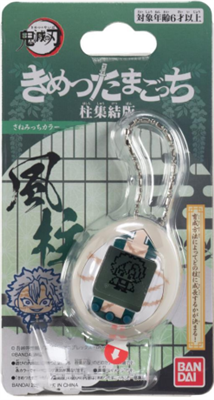
A Tamagotchi is a small electronic toy launched by the Japanese company Bandai in the mid-90s. This tiny device, usually shaped like an egg, contains a digital screen where a virtual creature lives. This creature, or Tamagotchi, needs care and attention to survive and thrive. The player must feed, play with, and clean up after their Tamagotchi, just like a real pet. Its simple yet engaging mechanisms made Tamagotchi an instant success among children and teenagers worldwide.
For many, Tamagotchi was more than just a toy; it was a friend and a lesson in responsibility. Having a Tamagotchi required taking responsibility, which meant feeding it regularly, keeping it happy through play, and ensuring it got enough rest. If one failed to do this, their Tamagotchi could get sick or even die, which was a significant emotional experience for many young owners.
Despite its simplicity, or perhaps because of it, Tamagotchi became a cultural icon. It represented a time of simplicity and digital curiosity and introduced many to the concept of virtual pets. Tamagotchi quickly became an integral part of 90s pop culture and a symbol of that era's technological innovations.
Tamagotchi was created by Aki Maita, an employee at Bandai. The idea was born from her desire to create a pet that could fit into the busy Japanese lifestyle, where many people didn't have the time or space for real pets. She wanted to create something that could satisfy the need for companionship and responsibility without the practical inconveniences that come with owning a real animal. Together with Yukihiro Tane, who developed the technical side, Tamagotchi was launched in Japan in 1996.
When Tamagotchi went on sale, it quickly became a huge success. Less than a year later, in May 1997, it was launched internationally and became a global sensation. With its simple and innovative design, Tamagotchi appealed to both children and adults, and it quickly became a must-have item. There was a certain charm and satisfaction in caring for a digital pet, and people worldwide were captivated by this little device.
Tamagotchi's popularity led to a variety of sequels and spin-offs, including color screen versions, Tamagotchi Connection which allowed interaction between multiple devices, and a multitude of different themes and variations. Although its popularity waned somewhat in the early 2000s, Tamagotchi has continued to hold a place in the hearts of those who grew up with it, and it has had several re-launches and updates over the years.
Caring for a Tamagotchi requires a regular routine and a certain level of commitment. To keep your Tamagotchi alive and happy, it's important to understand its basic needs. Food is one of the most fundamental aspects of Tamagotchi care. Your digital friend needs to be fed regularly to stay healthy. Tamagotchis usually have two types of food: meals and snacks. Meals are to satisfy hunger, while snacks are used to increase its happiness. However, it's important to balance these, as too many snacks can cause obesity and other health problems.
In addition to food, your Tamagotchi also needs regular exercise. This can be achieved by playing with it. Many Tamagotchi devices have various mini-games that you can play with your Tamagotchi. These games not only help keep your Tamagotchi happy but also improve its physical health. Regularly playing with your Tamagotchi is an important part of keeping it healthy and happy.
Health is also an important factor. Your Tamagotchi can get sick if not properly cared for. Symptoms of illness can include it not responding to your commands or looking unhappy on the screen. When your Tamagotchi gets sick, you need to give it medicine, which is usually available as an option in the device's menu. By paying attention to your Tamagotchi's health and reacting quickly when it gets sick, you can prolong its life and keep it in good health.
One of the most common problems with caring for a Tamagotchi is that it can get sick. Illnesses in the Tamagotchi world can be caused by various factors, including overfeeding, lack of exercise, or simply neglect. When your Tamagotchi gets sick, it will show symptoms such as reduced responsiveness and an unhappy appearance. The first step to solving this is to give it medicine, which is usually found in the device's menu. It may take several doses before your Tamagotchi recovers, so it's important to be patient and continue treatment until it is completely healthy.
Another common problem is that your Tamagotchi can become unhappy or depressed. This can happen if you don't spend enough time with it, don't play with it, or if it doesn't get enough attention. To solve this, it's important to regularly play with your Tamagotchi and give it enough snacks to increase its happiness. Paying attention to your Tamagotchi's needs and reacting quickly when it shows signs of unhappiness can help prevent longer periods of depression.
Overfeeding and undernourishment are also common problems. If you feed your Tamagotchi too much, it can become overweight, which can lead to other health problems. On the other hand, if you don't feed it enough, it can become malnourished and sick. It's important to find a balance and give your Tamagotchi a healthy diet. By carefully monitoring its weight and health and adjusting its diet accordingly, you can ensure that your Tamagotchi remains healthy and happy.
Nutrition is one of the most important aspects of keeping your Tamagotchi in good health. A well-balanced diet is crucial to ensure that your digital friend gets all the nutrients it needs. Tamagotchi devices typically offer two main types of food: meals and snacks. Meals, which can be simple dishes like rice and vegetables, are necessary to satisfy your Tamagotchi's hunger. Snacks, on the other hand, are used to boost its happiness, but they should be given in moderation as they can lead to obesity and other health problems.
Activity is just as important as nutrition for keeping your Tamagotchi healthy and happy. Many Tamagotchi devices come with built-in mini-games that you can play with your digital friend. These games are not only fun, but they also give your Tamagotchi the exercise it needs to stay in shape. Regular play and activity help prevent obesity and other health problems, and it also keeps your Tamagotchi happy and content.
A combination of proper nutrition and regular activity is key to keeping your Tamagotchi in good health. By carefully monitoring its diet and ensuring it gets enough exercise, you can ensure your Tamagotchi lives a long and happy life. Finding a balance between food, play, and rest is crucial to keeping your little digital friend in the best possible condition.
Recognizing when your Tamagotchi needs help is crucial to ensuring it stays healthy and happy. Tamagotchi devices are designed to give various signals when they need something, and it's important for you as an owner to learn to interpret these signals correctly. One of the most common signals is a beeping sound, which indicates that your Tamagotchi needs your attention. This could be because it's hungry, unhappy, sick, or needs cleaning.
Visual cues are also important to monitor. If your Tamagotchi looks unhappy on the screen, it could be a sign that it needs more attention, play, or food. If it is shown with illness symbols, such as a small skull or tears, it's a sign that it is sick and needs medicine. By carefully monitoring your Tamagotchi's behavior and appearance, you can quickly identify and address any problems before they become serious.
Being attentive to your Tamagotchi's needs and reacting quickly when it signals for help is crucial to keeping it in good health. By learning to interpret both audio and visual signals, you can ensure that you are always ready to provide the care and attention it needs. This will not only improve your Tamagotchi's quality of life, but it will also extend its life and make your experience as an owner much more satisfying.
Tamagotchi has a rich history filled with interesting and fun facts. For example, did you know that the name "Tamagotchi" comes from the Japanese words "tamago" meaning egg, and "tomodachi" meaning friend? It's a fitting description for these small egg-shaped devices that became so beloved by their owners around the world. This little device quickly became a cultural icon and a must-have item in the 90s.
Another interesting fact is that the first generation of Tamagotchi had a limited number of characters it could evolve into, depending on how well you took care of it. There were good and bad characters, and your way of caring for your Tamagotchi influenced which character it would become. This added an extra layer of engagement and responsibility, as everyone wanted the best characters and to avoid the less desirable ones.
Another fun aspect of Tamagotchi's success is that it created an entire industry of accessories and merchandise. From keychains and stickers to clothes and school supplies, Tamagotchi became a huge franchise. There was even a short-lived TV series and manga based on these digital pets. Tamagotchi was more than just a toy; it was a phenomenon that influenced popular culture in many different ways.
To keep your Tamagotchi alive longer, it's important to establish a regular routine and be diligent with its care. The first step is to make sure you feed your Tamagotchi at regular times. Just like with a real pet, your Tamagotchi needs a balanced diet to stay healthy. Feed it both meals and snacks, but be careful not to overfeed it, as this can lead to obesity and other health problems.
In addition to food, it's important to keep your Tamagotchi active. Regularly play the mini-games available on the device to keep your digital friend physically active and happy. Exercise is an important part of keeping your Tamagotchi in good health and can help prevent illnesses and weight issues. By combining proper nutrition with regular activity, you can extend your Tamagotchi's life and improve its overall well-being.
Another important tip is to pay attention to your Tamagotchi's signals. If it starts beeping or shows signs of unhappiness or illness, react quickly. Give it medicine if it's sick, play with it if it's unhappy, and clean up after it if it's dirty. By being attentive and reacting quickly to your Tamagotchi's needs, you can keep it in good health and ensure it lives a long and happy life.
Although Tamagotchi had its heyday in the 90s, it hasn't completely disappeared from the scene. In fact, there have been several re-launches and updates of the classic toy over the years. The modern version of Tamagotchi features color screens, more functions, and the ability to interact with other Tamagotchi devices via infrared or Bluetooth. These updates have helped introduce Tamagotchi to a new generation of children and young people, while also providing a nostalgic trip for adults who grew up with it.
Tamagotchi has also inspired a variety of mobile apps and games that build on the same concept of virtual pets. These apps often offer more features and better graphics, but the core of the game – caring for a digital pet – remains the same. This continued popularity shows that the concept behind Tamagotchi is still relevant and appealing in today's society.
For many adults, Tamagotchi is a reminder of a simpler time and a source of nostalgia. Returning to Tamagotchi can be a way to relive the joy and simplicity of childhood. It's a chance to unwind from the stressful everyday life and once again care for a small digital friend. Tamagotchi's enduring popularity shows that even in a world of advanced technology and complex games, there is still a place for these small, simple virtual pets.
Tamagotchi has had a long and fascinating journey from its launch in the 90s to today's modern versions. It has not only survived the test of time but has also evolved and adapted to new technologies and generations. This small digital pet has become a cultural icon and a symbol of a time of simplicity and innovation. It has given rise to a variety of products and inspired countless other virtual pets and games.
The future of Tamagotchi looks bright. With ever-growing technology and opportunities for even more interactive and engaging experiences, it is likely that we will see even more exciting versions of Tamagotchi in the future. Perhaps we will see more integrations with mobile apps, virtual reality, or even augmented reality. The possibilities are endless, and Tamagotchi's timeless charm will likely continue to attract new generations of fans.
Ultimately, Tamagotchi is more than just a toy; it is a reminder of a time when digital interactions were simpler and more innocent. It's a chance for us to relive a piece of our childhood and to share that joy with our own children. By caring for our little digital friends, we can once again experience the joy and satisfaction that comes from nurturing something, even if it's in a small, electronic form. Tamagotchi lives on, and its legacy continues to shine brightly.