Discover Marvel's Fantastic Figures: A Deep Dive into the World of Superheroes


In a world where fantasy and reality meet, there are few universes that capture our attention like Marvel's. From iconic superheroes like Spider-Man and Iron Man to profound villains with complex backstories, Marvel offers a rich and colorful palette of characters who have become central figures in our popular culture. But what exactly makes these figures so unforgettable? In this article, we take you on a deep dive through Marvel's fantastic characters, exploring their origins, development, and significance in our lives. Whether you are a devoted Marvel fan or a beginner in the world of superheroes, you will discover fascinating insights and incredible stories behind these beloved characters. Prepare for a journey that reveals the strengths, weaknesses, and moral dilemmas that characterize the superhero universe!
The Marvel universe is a world where fantasy and reality meet in a way that few other mediums can match. Since the creation of Timely Publications, the predecessor to Marvel Comics, in the 1930s, the Marvel universe has grown to encompass a vast array of characters, stories, and worlds. The founders, including pioneers like Stan Lee, Jack Kirby, and Steve Ditko, laid the groundwork for what would become a cultural phenomenon. The Marvel universe is not just a collection of comic books but a living, dynamic world that continues to evolve and expand.
What makes Marvel unique are the rich and complex characters that populate this universe. These characters are not just good or evil; they are people with strengths, weaknesses, fears, and moral dilemmas. Despite their superhuman abilities, they are relatable and human. It is this profound character development that has made Marvel a timeless favorite among both young and old.
The Marvel universe also has an ability to reflect and comment on society. Throughout the years, the comics have addressed everything from World War II and the civil rights movement to modern terrorism and environmental issues. This ability to adapt and remain relevant is one of the reasons Marvel continues to be a dominant force in popular culture.
When we think of the Marvel universe, it is usually the iconic superheroes that come to mind first. One of the most beloved is Spider-Man, whose alter ego Peter Parker is an ordinary teenager who gains his powers after being bitten by a radioactive spider. His struggle to balance his normal life with his superhero commitments makes him one of the most relatable characters in the Marvel universe.
Another central figure is Iron Man, or Tony Stark, a brilliant billionaire who creates a high-tech suit to save his own life and then decides to use it to fight evil. Iron Man represents the limits of technology and the ethical questions that come with it. His evolution from selfish industrialist to altruistic hero is a central narrative in the Marvel universe.
Thor, the god of thunder from Asgard, is another iconic hero. Thor combines mythology with modern superhero fiction in a way that few other characters do. His stories explore themes such as responsibility, power, and family in a larger-than-life manner. Together with characters like Captain America, Hulk, and Black Widow, these heroes form a core of the Marvel universe that continues to captivate and inspire.
No hero is complete without a worthy adversary, and Marvel's villains are some of the most memorable in fiction. One of the most famous is Thanos, a Titan obsessed with collecting all the Infinity Stones to carry out his plan to wipe out half the universe. Thanos is not just a villain; he is a philosophical antagonist who believes his actions are necessary for the survival of the universe.
Another central villain is Loki, Thor's brother and the trickster god from Norse mythology. Loki's complicated relationship with his brother and his constant betrayals make him a fascinating character. He is both a villain and sometimes an anti-hero, which makes his stories unpredictable and engaging.
Doctor Doom, or Victor Von Doom, is another iconic antagonist. As a charismatic and intelligent villain with a tragic background, he constantly challenges the Fantastic Four and other heroes. Doctor Doom's combination of magic and science makes him one of the most multifaceted villains in the Marvel universe.
Superhero origin stories are often as fascinating as their adventures. These stories give us insight into what drives these individuals to become the heroes we admire. Peter Parker's transformation into Spider-Man is a perfect example. His journey from a nerdy teenager to a responsible hero begins with a tragedy – the murder of his Uncle Ben. This event shapes his motto: "With great power comes great responsibility."
Tony Stark's transformation into Iron Man begins with a traumatic experience where he is severely injured and captured. By using his genius to create armor that saves his life, he transforms from a selfish industrialist to a self-sacrificing hero. It is a story of redemption and personal growth.
Thor, on the other hand, is born into his role as god of thunder but must learn humility and responsibility to fully embrace his potential. His journey from arrogant prince to wise and powerful king is one of Marvel's most epic stories. These origin stories provide depth and context to the characters, making their adventures even more engaging.
Marvel's impact on popular culture is deeply rooted and impossible to ignore. From the golden age of comic books to today's blockbuster films, Marvel has changed the way we view superheroes and storytelling. In the 1960s, as comic books began to grow in popularity, Marvel introduced a new type of superhero – one who was human, with real problems and emotions. This was a radical departure from the infallible heroes in earlier comics.
This humanity and complexity has continued to define Marvel's characters and stories. When the Marvel Cinematic Universe (MCU) launched with "Iron Man" in 2008, it was the beginning of a new era. The MCU has not only dominated cinemas but also changed how films are produced and consumed. It has created a cohesive world where every film and TV series is part of a larger story, engaging fans in a way that few other franchises have.
Marvel has also influenced fashion, art, and literature. The iconic costumes and symbols of superheroes have become part of our visual culture. Furthermore, Marvel's themes of responsibility, justice, and self-sacrifice have inspired generations of fans and creators. Marvel is not just entertainment; it is a cultural movement that continues to shape and reflect our society.
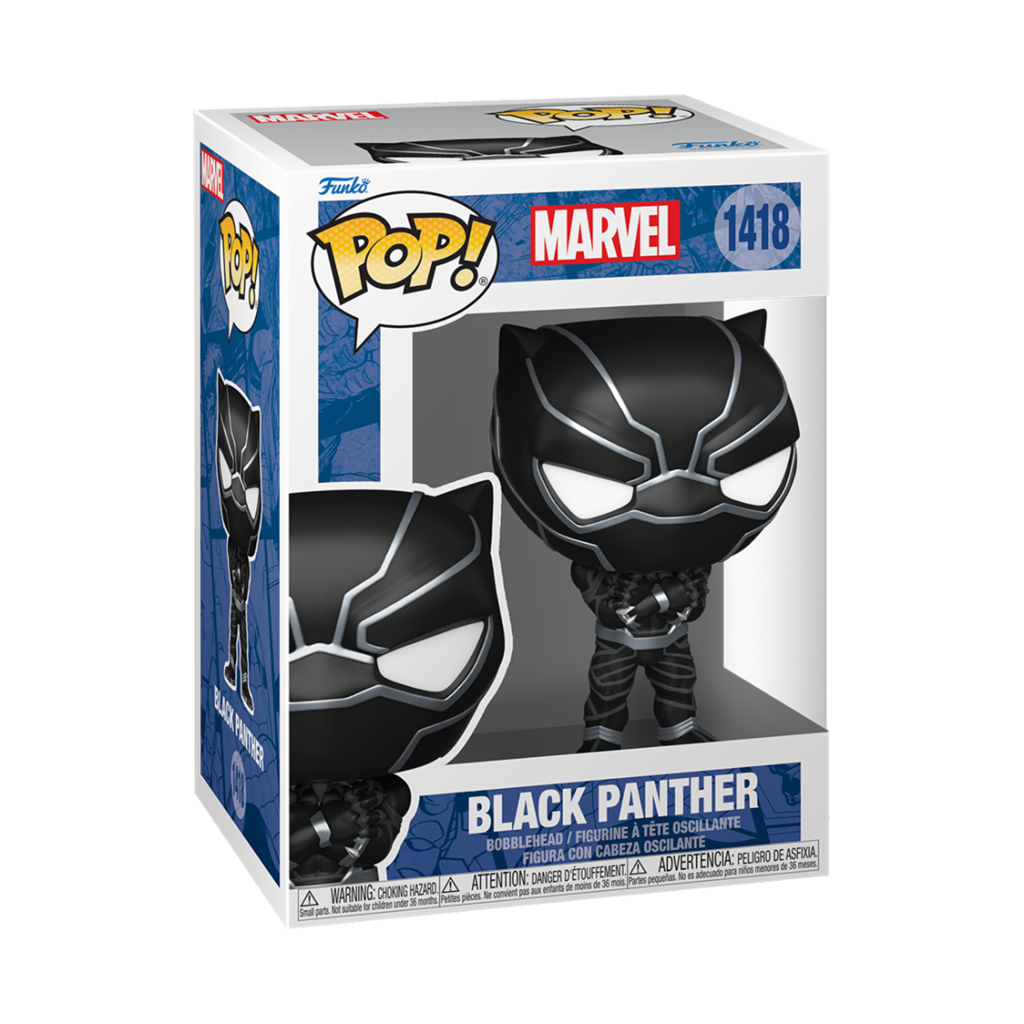
The Marvel Cinematic Universe (MCU) has revolutionized the film industry and set a new standard for how interconnected universes can be built on the big screen. With 23 films in the first "Infinity Saga" and many more planned, Marvel has created a coherent and intricate web of stories spanning multiple genres and styles. Films like "The Avengers," "Black Panther," and "Guardians of the Galaxy" have not only been commercial successes but also critical triumphs.
TV series have also become a vital part of Marvel's strategy. Series like "Daredevil," "Jessica Jones," and "Luke Cage" have explored darker and more mature themes, while Disney+ has introduced new formats with series like "WandaVision," "The Falcon and the Winter Soldier," and "Loki." These series have not only expanded the MCU but also deepened the characters and their stories in ways that films cannot always.
Marvel's commitment to both film and TV has created a rich and multifaceted world where there is always something new to discover. Whether on the big screen or in the comfort of home, Marvel continues to deliver high-quality entertainment that engages and inspires.
Although the films have made Marvel a global sensation, it all began with comic books. There are several differences between these two mediums, each with its own strengths and unique characteristics. Comic books offer a visual and narrative freedom that films can sometimes lack. With a pen and paper, creators can explore endless worlds, time, and space without the limitations that CGI and budgets can impose.
Another important difference is how stories develop. Comic books can have ongoing narratives that span decades, giving characters time to develop and change in profound ways. Films have a more compressed timeframe and often have to simplify or accelerate character development to fit within a two-hour narrative.
However, films also have their advantages. They can reach a wider audience and have the opportunity to utilize sound, music, and acting to create a more immersive experience. Furthermore, film's visual effects have reached new heights, making it possible to create fantastic and realistic representations of superheroes and their worlds. Both comic books and films have their places in the Marvel universe and both contribute to its rich and varied stories.
The future of Marvel's characters looks bright, with many new projects on the horizon. Marvel Studios continues to expand its universe with new films and TV series, introducing new characters and exploring new stories. With the recent introduction of the multiverse concept in films like "Doctor Strange in the Multiverse of Madness" and the TV series "Loki," there are endless possibilities for crossovers and new adventures.
New generations of heroes are also taking the stage. Characters like Kamala Khan (Ms. Marvel), Kate Bishop (Hawkeye), and Riri Williams (Ironheart) represent a new wave of diversification and inclusion within the Marvel universe. These young heroes offer new perspectives and challenge the traditional norms of what a superhero can be.
Meanwhile, beloved characters like Spider-Man, Thor, and Doctor Strange return in new adventures, ensuring that both old and new fans have something to look forward to. Marvel's ability to balance continuity with innovation is one of its greatest strengths, and it is this that will continue to drive the universe forward.
One of the most remarkable aspects of the Marvel universe is the strong engagement of its fans. Marvel fans are not just consumers; they are a passionate community that actively participates in shaping and developing the universe. From cosplay and fanfiction to discussion forums and theories, the creativity and enthusiasm of fans are a driving force behind Marvel's success.
Social media has played a big role in creating and maintaining this community. Platforms like Twitter, Instagram, and Reddit have allowed fans to share their thoughts, theories, and artwork with a global audience. This has not only strengthened the bond between fans but also between fans and creators. Marvel has been skillful in engaging with its fans, listening to their feedback, and sometimes even integrating their ideas into the official narratives.
Conventions and events like San Diego Comic-Con offer fans a chance to meet their favorite creators and actors, and to celebrate their love for Marvel with like-minded individuals. These gatherings are more than just marketing opportunities; they are celebrations of the community and passion that define Marvel fandom. It is this strong and engaged community that ensures the Marvel universe continues to flourish and inspire.
So why does Marvel continue to fascinate us year after year, generation after generation? The answer lies in the unique combination of relatable characters, complex stories, and a dynamic world that mirrors our own. Marvel's superheroes are not just strong and brave; they are also human, with all the flaws and insecurities that come with it. This makes them easier to relate to and gives their stories a deeper emotional resonance.
Marvel also has an ability to adapt and innovate, which means their stories always feel fresh and relevant. By integrating current social and political issues into their narratives, Marvel manages to keep its universe rooted in reality while offering an escapist flight. This balance between realism and fantasy is one of the great strengths of the Marvel universe.
Finally, it is the passion and engagement of the fans that drives Marvel forward. It is a reciprocal relationship where fans inspire the creators and vice versa. The Marvel universe is not just a series of stories; it is a living, breathing community that continues to grow and evolve. As long as there are people who dream of being heroes, Marvel's fantastic figures will continue to fascinate and inspire us.