


Role-playing Games – A Complete Guide to the World of RPGs
Few hobbies are as engaging and socially developing as role-playing games (RPGs). Whether you're passionate about classic pen-and-paper adventures, digital RPGs, or live-action role-playing (LARP), there's something for everyone – and curiosity is growing rapidly, among both experienced players and beginners. But what exactly drives the enormous interest in RPGs in Sweden and globally? How do you get started, and what tools, apps, and communities are available?
In this blog post, we clarify concepts, history, and practical tips about role-playing games. We'll give you a clear path into the creative and social world of RPGs – whether you want to find the right materials, create your first character, or discover how RPGs are used in education, therapy, and online communities. Welcome to the ultimate guide for those who want to develop both imagination and collaboration skills through role-playing!
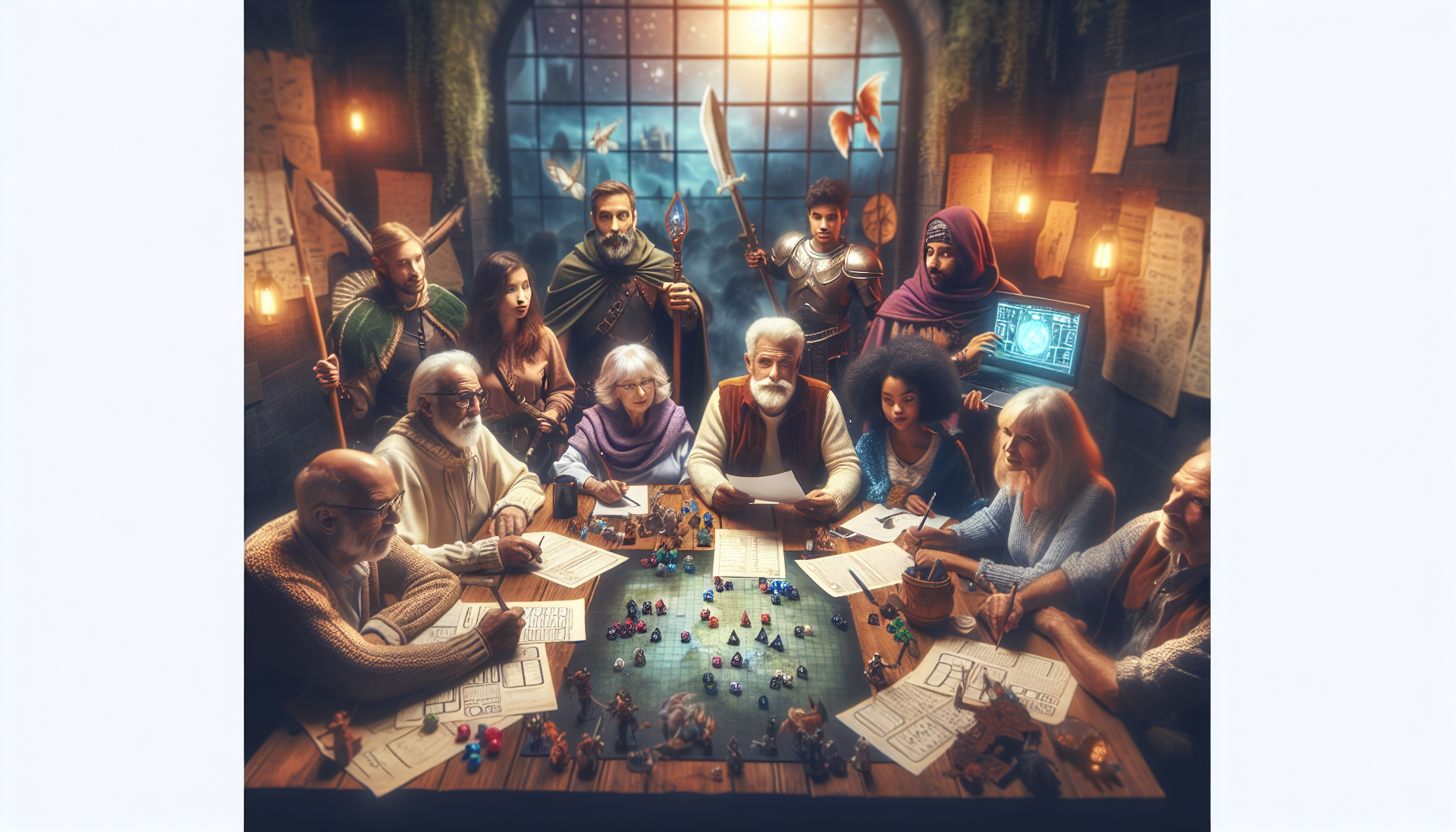
Role-playing games, often referred to as RPGs, are an engaging game genre where participants take on roles and collectively create stories, solve challenges, and explore fictional worlds. In Swedish, the term "rollspel" (role-playing) is used for both traditional pen-and-paper games and digital experiences, connecting to one of the most important elements: taking on a role other than one's own. This distinguishes RPGs from many other game genres where the goal is often to win rather than to create a shared narrative.
Definition and Applications
RPGs can be divided into two main categories: analog role-playing games, where players gather around a table with books, dice, and character sheets, and digital role-playing games (computer games and console games), where storytelling and interactivity happen digitally. Examples of popular analog RPGs include Drakar och Demoner (Dragons and Demons) and Dungeons & Dragons, while digital alternatives include games like Baldur's Gate or The Witcher series. RPGs are unique in their focus on character development and narrative, often offering greater freedom compared to, for example, board games or traditional video games.
Players step into roles they have created themselves and guide their characters through stories with the help of a Game Master (or equivalent digital mechanics). The differences between RPGs and other game genres lie in the degree of collaboration, improvisation, and story-building, where the competitive aspect takes a backseat to make way for personal narratives and creativity.
RPGs in Today's Society
Today, RPGs have grown to become an important part of the hobby scene in Sweden and globally. They are used not only for entertainment but also as educational tools and for personal development. RPGs foster imagination, collaboration skills, and empathy, creating a unique space for both old and young to meet across generations. Through digital platforms and local stores, accessibility has never been greater, making RPGs relevant and inclusive for a growing audience.
Role-playing Games – Etymology and Usage
The word rollspel (role-playing game) is well established in the Swedish language and originates from the English "role-playing game." The concept can be traced back to the words "roll" (role), meaning a character or figure someone takes on, and "spel" (game), which clearly marks the playful and dramatic nature of the activity. In contemporary Swedish, "rollspel" is used to describe everything from analog adventures around the gaming table to advanced digital experiences online. It is also interesting to note how terms and acronyms have evolved and gained their own pronunciations and meanings within Swedish, often influenced by popular culture and international trends.
Usage and Acronyms in Swedish RPG Culture
-
RPG is an internationally widespread acronym for "role-playing game" and is frequently used in Swedish as well. It is common to say each letter, i.e., "R-P-G," rather than "rollspel" for digital RPGs, which creates a linguistic distinction from tabletop RPGs.
-
Rollspel is used broadly: for classic pen-and-paper games, like "Drakar och Demoner," and for digital bestsellers like "The Witcher" or "Final Fantasy."
-
Linguistic diversity is clear within Swedish RPG culture – English terms are often used, but Swedish translations and native concepts are common in traditional and educational contexts.
This versatile use of language shows how RPGs are constantly adapted to new environments and technologies. For example, many Swedish schools and educators use the expression "rollspelsövning" (role-playing exercise) for educational tools inspired by traditional games, something rarely mentioned in international sources.
RPGs in Popular Culture and Everyday Life
RPGs have also become a clear part of popular culture in Sweden – everything from conventions and LARPs to therapy sessions and hobby groups. At the same time, the range of RPGs is growing as both the language and culture evolve. Swedish role-players have become experts at switching between Swedish and English terms depending on the context and target audience, making RPGs a living and dynamic part of the Swedish linguistic landscape. This demonstrates not only the breadth of the word but also how RPGs continue to contribute to both linguistic innovation and cultural community.
Different Types of RPGs
Role-playing games have developed into an incredibly multifaceted hobby with several different variants that attract players of all ages and backgrounds. Whether one prefers to embark on adventures at a game table, step into a role at a LARP, or set out on epic quests in digital worlds, there is a form of RPG for every taste. This breadth has contributed to making RPGs an important part of both Swedish and international popular culture.
The Classic Branches of RPGs
- Pen-and-paper RPGs (tabletop RPGs): The traditional variant where players gather around a table, usually with dice, character sheets, and Game Master books. Classics like Drakar och Demoner (Dragons and Demons) and Dungeons & Dragons belong here.
- LARP (Live Action Role-Playing): Players physically portray their characters and actively participate in the adventure on location, often in authentic environments with custom props.
- Computer and video games within the RPG genre: Here, the player becomes a character in a digital world, controls the course of events, and explores the story through interactive games like The Witcher or The Elder Scrolls series.
-
Board game RPGs and card-based variants: Hybrid games where RPG elements are combined with board game or card mechanics, making them easier for beginners to get into.
Each variant of RPG has its own strengths and attracts players with different interests—from improvisation and theater in LARP to strategy and community at the game table.
New Trends and Development
In recent years, new subgenres and hybrid forms have emerged thanks to technological development. Online RPGs enable playing across the globe, while mobile apps and digital tools simplify the planning of both small and large adventures. Card-based RPGs have become popular for their fast and flexible setups, lowering the barrier for new players.
RPGs are constantly changing, and the continuous innovation within the hobby means there is always something new to discover—whether you are a veteran or simply curious about what RPGs have to offer.
The Most Popular RPGs in Sweden
The Swedish role-playing game scene is both rich and diverse, with several iconic titles that have not only left their mark on the hobby world here but also internationally. Whether you are interested in classic fantasy adventures or newer, more niche themes, there is a wide range of popular RPGs that have shaped generations of Swedish players. By both looking back and analyzing today's trends, we get a clear picture of which games are played the most and have the greatest cultural influence.
Swedish Classics and International Favorites
Among the most beloved Swedish RPGs, we find:
- Drakar och Demoner (Dragons and Demons) – Perhaps the most discussed and widespread RPG in Sweden, originally from the 1980s, it has drawn countless beginners into the world of role-playing. Its combination of accessible rules and mythological Swedish fantasy has made it an institution.
- Mutant – With its post-apocalyptic narratives and unique blend of humor and seriousness, Mutant has become a timeless favorite that is constantly updated for new generations.
- Dungeons & Dragons (D&D) – The global giant also has a strong foothold in Sweden, where many are introduced to RPGs via D&D's worlds and rules.
- Vampire: The Masquerade – For those seeking darker, more mature themes, Vampire: The Masquerade has become an obvious choice; especially within LARP and narrative-driven role-playing.
These games demonstrate the breadth and variety of themes that attract different player groups: from fantasy epics to cyberpunk, horror, and social satire.
Cultural Bearers and Modern Development
The most popular RPGs serve as cultural bearers in the Swedish gaming hobby and inspire new games, supplements, and conventions. Many of these titles have also been digitized or have large online communities where players share materials and discuss strategies. It is not uncommon for activities surrounding these games to expand with new editions, fan-based supplements, and collaborations between creators and players.
In summary, popular RPGs like Drakar och Demoner, Mutant, and Dungeons & Dragons are far more than just pastimes. They are hubs for community, inspiration, and Swedish gaming nostalgia – yet at the same time open to new influences and narratives.
RPGs as an Educational Tool
Role-playing games have long been more than just an entertaining hobby – they have also evolved into powerful educational tools in both schools and workplaces. By allowing participants to take on different roles and handle fictional or real scenarios, skills such as communication, collaboration, and creative problem-solving are trained. Top-ranked articles, for example, highlight how popular titles like Dungeons & Dragons have contributed to increased empathy and social interaction, while role-playing based exercises have become increasingly common in education and leadership.
Learning Through Drama and Games
-
RPGs in the classroom: Teachers use role-playing to visualize historical events, solve ethical dilemmas, or practice conflict management, making abstract subjects more concrete and engaging for students.
-
Skill training: By playing different roles, empathy, communication, and problem-solving are practiced practically – skills that are difficult to learn only theoretically.
-
Therapeutic contexts: Role-playing is also applied in therapy and guidance where participants, for example, by playing different roles in sensitive situations, gain new perspectives and tools for personal development.
Research shows that the active learning format of RPGs helps participants remember information better and develop self-confidence in expressing opinions. In preschool and elementary school, simple role-playing games are used to strengthen social bonds and help students approach difficult subjects with security.
From University to Working Life
RPGs are now established in leadership training, for example, in the business world where managers practice difficult conversations, conflict management, or negotiation strategies through simulated role-playing exercises. More voices in academia and pedagogy worldwide now emphasize the value of gamified learning where RPGs are combined with digital aids – games, apps, and online platforms – to increase engagement and motivation.
By integrating RPGs, a world unfolds where the boundary between learning and play disappears, and unique developmental paths open up for children, adolescents, and adults.
Getting Started – What Do You Need to Play RPGs?
Starting with role-playing games can feel like a big step, but it often requires less than many people think to get started. Whether you're aiming for classic pen-and-paper RPGs, board game variants, or digital online RPGs, there are a few basic things you'll need. Here, we go through what's absolutely necessary, what might be good to have, and what resources make the beginner's journey easier.
Basic Materials and Equipment
-
Dice: Most RPGs require at least one die, usually a 20-sided (D20) or more depending on the game system, such as Dungeons & Dragons or Drakar och Demoner.
-
Rulebook or starter kit: To understand the game mechanics and rules, a rulebook or a digital starter pack is needed. Free systems are available for those who want to try without cost.
-
Character sheets and pens: A character sheet is needed to track your character's development. Many templates can be downloaded online, and some systems have digital sheets/apps.
-
Gaming group: At least two people are needed, but the optimal group size varies from game to game.
-
Access to digital tools and apps: Platforms like Roll20, Discord, or dedicated apps have become popular for playing and managing campaigns remotely.
For beginners, special starter boxes are recommended, such as those from Drakar och Demoner or Mutant, where everything you need – condensed rules, pre-made characters, and adventures – is included directly in the box. Information and support on online forums and YouTube channels are also invaluable, especially if the group is new.
Tips for an Easier Start and Smart Resources
There is a wealth of free RPG material online, including SRDs (system reference documents) in Swedish and English. Many associations, such as Sverok, offer open RPG groups where beginners receive support and materials. Consider trying digital character sheets or apps like D&D Beyond, where much is free and intuitive. Don't hesitate to visit a local game store where staff are happy to help – they often have evenings for beginners.
Taking the first step into the world of RPGs is mostly about curiosity and a willingness to participate. With the right basic materials and support from the community, the barrier to entry is lower than ever – for both analog and digital players.
Creating Your First RPG Character
Creating your own RPG character is often one of the most exciting and creative moments when you start with role-playing games, whether it's classic tabletop RPGs like Drakar och Demoner or online-based adventures. Character creation is both a chance to explore new sides of yourself and to set the tone for the game's story. A well-developed character not only deepens your own experience but also contributes to the group's dynamic and engagement.
Step-by-Step to a Memorable Character
- Background and personality: Start by thinking about your character's history. What have they experienced? What are their dreams and fears? Give the character a background that explains their motivations in the game world.
- Skills and attributes: Most RPGs, from Mutant to Dungeons & Dragons, have systems for attributes and skills. Choose strengths that support your character's background, but don't forget weaknesses – they create depth!
- Goals and motivation: What does your character want to achieve during the adventure? A clear goal makes it easier to make decisions in the game and gives the Game Master hooks to build the story around.
-
Visual and emotional identity: Consider appearance, gestures, manner of speech, and how your character reacts in different situations. This helps both yourself and others to remember and relate to your character.
Using character sheets (digital or on paper) not only facilitates the structuring of your character but also helps to keep track of development and changes during the game. Many forums and websites offer free templates and tips for character creation.
Character Creation as a Tool for Personal Development
Role-playing games are more than just entertainment – portraying another person can also contribute to increased empathy, self-awareness, and creativity. The process of putting oneself in someone else's thoughts and feelings strengthens the ability to understand the perspectives of real people. Many educators and therapists therefore use role-playing and character development as part of exercises for personal development and group dynamics.
The Game Master's Role and Responsibilities
The Game Master (GM) plays a central and crucial role in most traditional role-playing games – whether it's pen-and-paper, LARP, or digital variants. The GM's primary task is to prepare the story, control the course of events, and act as the dynamic link between the game world and the players. In many classic RPGs like Dungeons & Dragons or Drakar och Demoner, the GM's ability to interpret rules, improvise, and engage participants is crucial for the gaming experience.
Creating a Living Story
A skilled GM:
-
Prepares exciting environments, events, and adventures that capture players' interest and allow for improvisation.
-
Challenges and inspires players through riddles, conflicts, and moral choices without always determining the outcome – it is the players' choices that drive the story forward.
-
Interprets rules and adapts them to enhance gaming enjoyment rather than rigidly following every letter of the rulebook. Sometimes modifications are needed to allow for creativity and spontaneity.
Being a GM is not just about reading from a script. It's a creative role where you weave together ideas and reactions from the players into a coherent, engaging story. Many GMs use digital aids, such as apps or platforms (e.g., Roll20 or FoundryVTT) to manage maps, images, and sounds – making the game worlds even more vibrant and dynamic.
Managing Group Dynamics and Engagement
In addition to storytelling, the GM also has a responsibility for the group's dynamics:
-
Ensure everyone feels included and heard, regardless of experience level.
-
Resolve any conflicts or misunderstandings in a diplomatic, constructive manner.
-
Encourage players to contribute their own ideas and backstories, so that the game feels meaningful to everyone.
A good GM is attentive to the mood at the table, notices when someone is quiet or overwhelmed, and adjusts the pace as needed. The result is a gaming experience that both inspires and strengthens community – and that is where much of the strength of role-playing lies.
Group Dynamics and Collaboration in Role-playing Games
Playing role-playing games isn't just about imaginative stories and dice rolls – it's primarily a group activity where collaboration and communication are central. A well-functioning gaming group creates the foundation for engaging adventures and long-lasting friendships. Several of Sweden's most popular role-playing clubs and conventions often highlight the importance of group dynamics for the experience.
Creating a Collaborative Gaming Group
-
Open Communication: It is important for all players to have a voice, express their expectations and boundaries before the game begins. To avoid misunderstandings or uncomfortable situations, the use of tools such as the "X-card" for a safer gaming environment is recommended, for example.
-
Clear Game Rules and Roles: From the outset, the group should decide which rules apply, and the distribution of roles – both between different characters and between players and the GM. This creates security and fairness.
-
Responsiveness and Flexibility: Role-playing games can offer unexpected twists. A responsive group can quickly shift focus or adapt their playstyle to what feels best at the moment.
By spending time on relationship-building outside the gaming table – perhaps through shared activities or discussions about favorite games – the group can strengthen bonds and prevent future conflicts in the game.
Handling Conflicts and Stimulating Creativity
Sometimes disagreements can arise regarding rules, the story, or character actions. Handling these conflict points constructively is crucial for a sustainable gaming experience:
-
Take breaks when needed: If discussions heat up, suggest a break. This gives everyone a chance to breathe and reflect.
-
Focus on the story and the group's goals: Elevate the discussion to be about what you collectively want to achieve rather than who is "right."
-
Encourage new ideas and roles: Try letting different players lead a scene or decide the next step in the story – it can increase both engagement and creativity.
A mature group sees conflicts as an opportunity to develop together and finds their way back to the joy of playing with an even stronger willingness to cooperate.
Group Dynamics – The Key to Memorable Game Nights
The real magic in role-playing is created when different personalities and ideas can interact in a safe, respectful environment. Whether you are a beginner or a veteran, it is worth investing time and commitment in the group's dynamics. This not only leads to better games – but also develops valuable social skills that you can benefit from in everyday life.
Online Role-playing Games – Digital Platforms and Tools
Digital development has revolutionized how role-playing games are played and experienced. Today, there is a wide range of platforms and tools that make it possible to play role-playing games online, regardless of where the participants are located. This digitalization has not only increased accessibility for new players but also simplified regular meetings for groups despite geographical distances. At the same time, the pandemic has accelerated this transition, and more people than ever are trying digital solutions for their role-playing nights.
Popular Platforms for Digital Role-playing Games
Playing role-playing games online has become smooth thanks to advanced platforms such as:
-
Roll20: A cloud-based service where you can create, manage, and play role-playing games directly in your browser. It offers interactive maps, dice rolls, character sheets, and audio features for maximum immersion.
-
FoundryVTT: A powerful platform for the technically inclined GM, with possibilities for custom scripts and modules. Offers more freedom but requires initial installation.
-
Discord: Originally a service for voice and text chat, but now a hub for role-playing groups that want to combine smooth communication with integration to other tools.
-
Fantasy Grounds and Tabletop Simulator: Other widely used options for interactive and visual online experiences.
Through these platforms, groups can create advanced campaigns, share resources, and customize rules and visual aids in real-time. The adaptability is great, and there are resources for both experienced GMs and beginners.
Advantages and Challenges of Digital Role-playing
Digital tools have given the role-playing community entirely new opportunities, but there are also challenges to consider:
-
Flexibility: Playing online means you are not tied to specific times or physical locations, which simplifies coordination.
-
Technical Threshold: All participants need access to a computer, internet, and basic technical knowledge. Here, guides or video tutorials (like those on Rollspel.nu for web-based apps) can be valuable.
-
Community: Even though social interaction can feel different digitally, strong bonds are still created through voice and video chat. Many mix digital and physical meetings for maximum gaming enjoyment.
In summary, digital platforms make role-playing accessible to more people, but the analogue feeling is partly replaced by new challenges and opportunities. With the right tools and a dedicated group, online role-playing can be just as atmospheric and creative as at the kitchen table.
Role-playing Games as a Social and Cultural Meeting Place
Over the years, role-playing has emerged not only as an entertaining hobby but also as an important social and cultural meeting place in Sweden. Through gatherings, conventions, and associations, community and engagement are created that extend far beyond the gaming table itself. These platforms have become central to spreading role-playing culture, offering networking, and inspiring both creativity and long-lasting friendships. Insights from both physical meeting places and online communities show that role-playing fulfills a unique function in the Swedish gaming hobby.
Meeting Points for Role-playing Enthusiasts
A range of events, associations, and stores offer opportunities to meet and exchange experiences:
-
Role-playing Gatherings and Conventions: Large events such as GothCon, NordCon, and LinCon gather thousands of enthusiastic participants each year. Here, gaming sessions, lectures, workshops, and opportunities to try new games or find new game companies and friends are offered.
-
Associations and Federations: Sverok is one of Sweden's largest youth federations and coordinates numerous local gaming and role-playing associations. Through them, you can find nearby gaming groups or start your own initiatives.
-
Local Game Stores and Gaming Cafes: Places like Alphaspel in Stockholm not only offer a large assortment of role-playing games but also gaming rooms with over 100 seats, evening activities, and a natural meeting place where you can discover new games or participate in tournaments.
This infrastructure creates important opportunities for both new and experienced players to grow into the hobby, exchange ideas, and deepen their interest. Thanks to the support from Sverok, store owners, and local organizers, the hobby becomes accessible even if one initially lacks personal contacts.
Community and Role-playing Culture Today
Role-playing serves as a hub for creativity, collaboration, and learning on many levels. By getting involved in associations or participating in conventions, one builds both social capital and a network of like-minded individuals. In addition, social contexts contribute to developing the storytelling of role-playing and creating support for both young and adult initiatives. Whether you are a beginner or a veteran, there is a vibrant role-playing community ready to welcome you!
Marketplace and Collector's Value
Role-playing is not only a creative hobby but also a lively marketplace for both new and experienced players. The market for role-playing in Sweden has exploded with a wide range of products, from classic core rules to exclusive collector's editions. Local stores like Alphaspel, with its stock of over 60,000 different game items, set a high standard for accessibility and variety. Digital platforms, forums, and buy-and-sell groups also enable players to find and trade coveted titles and accessories.
Where to Buy Role-playing Games in Sweden?
There are several ways to acquire role-playing games, depending on whether you are looking for new or used products:
-
Physical game stores: Nerdbutiken.se, Lotsoofloot.se, Gamedungeon.se, Robotto.se, Runns.se.
For the collector, it is worth looking out for limited editions, signatures, and exclusive Kickstarter materials that are often available on the secondary market.
Collector's Value and Role-playing Games as an Investment
Some role-playing games, especially older editions or special prints, have significant collector's value. The collector's market is driven by limited supply, nostalgic values, and the cultural heritage of historical titles. Many invest in rarities like early Dungeons & Dragons or Mutant boxed sets, but even Swedish classics like Drakar och Demoner have risen sharply in value. Increasing interest, both nationally and internationally, means that the collecting aspect complements the joy of playing and creates a dynamic market with great passion and commitment.
With the right knowledge, network, and timing, collecting can evolve from a hobby to a valuable investment – but most importantly, it is also about preserving and sharing the joy of gaming with new generations of role-players.
Themes, Genres, and Storytelling in Role-playing Games
Role-playing games are known for their incredible diversity in terms of themes, genres, and narrative structures. Whether you are interested in classic fantasy, horror, science fiction, or more everyday or historical settings, there are role-playing games to suit your taste. By exploring different genres, groups can find new perspectives and develop their creativity. The themes and worlds that role-playing games offer contribute to each gaming experience feeling unique and inspiring.
Genre Breadth and Gaming Experiences
The most common genres in role-playing games are:
-
Fantasy – With dragons, magic, and epic adventures, e.g., Drakar och Demoner and Dungeons & Dragons.
-
Science fiction – Space travel, future societies, and advanced technology, such as Mutant and Coriolis.
-
Horror – Often with gothic or supernatural elements, e.g., Call of Cthulhu and Vampire: The Masquerade.
-
Historical/Contemporary Themes – Games based on real history or the present, e.g., Western and spy adventures.
-
Comedic or Absurdist Games – Light-hearted or satirical role-playing games, where improvisation and humor are central.
The choice of genre affects everything from plot and characters to how the group interacts. It allows for customizing game nights based on mood and interest, meaning that role-playing can serve as both entertainment and a deeper exploration of culture or psychology.
How the Story Drives the Experience
One of the strengths of role-playing games is the freedom to create stories together. Often there is a framework in the game itself – rules and world descriptions – but it is the players' decisions, choice of themes, and mutual interaction that drive the plot forward. By mixing different genres and themes, entirely new stories can emerge, making role-playing a dynamic and constantly evolving medium even in comparison to other types of games.
Regularly changing themes or genres in a gaming group keeps interest alive and offers opportunities for new experiences. Whether you seek excitement, mysteries, or pure fantasy, the variety within the Swedish role-playing scene is unsurpassed and a key reason why the hobby continues to grow.
Minimalist and Improvised Role-playing Games
Minimalist and improvised role-playing games have become increasingly popular, especially among gaming groups who want quick, spontaneous entertainment without cumbersome preparation. A clear example of this is Rollspelet Rollspel (The Role-playing Game Role-playing Game), which stands out due to its unique setup where repetitiveness is avoided, despite the possibility of recurring game rounds. These role-playing games often focus on simplicity, improvisation, and unleashing the imagination, allowing both experienced players and beginners to quickly get started and have fun together.
Getting the Most Out of Improvised Play
Minimalist role-playing games are characterized by:
- Low preparation needs: The game rules are often simple, and a few dice, character cards, or note papers are enough to get started.
- High replayability: The games are designed to be played over and over again, with each game session offering new situations and stories.
- Improvisation and creativity: Themes and plots can be developed freely by the participants, often inspired by genres such as soap opera, everyday drama, or humorous adventures.
-
Social interaction: The focus is on dialogue and collaboration, rather than rules and equipment.
Rollspelet Rollspel is particularly appreciated for lowering the barrier to participation and making role-playing accessible even during spontaneous game sessions or as a break activity between longer campaigns.
When are Minimalist Role-playing Games Best Suited?
This type of role-playing game works excellently when time is short, when you want to introduce new participants to the hobby, or simply desire a relaxed experience where storytelling is central. They can be adapted to different themes and are also used as icebreakers at gatherings or conventions. The low barrier to entry, and the ability to let the story unfold during the game, make minimalist and improvised role-playing games unbeatable tools for community and creativity.
Role-playing Games and Technology – Apps and Web Applications
Technological advancements have revolutionized how we play and organize role-playing games, both online and offline. Today, everything from dedicated apps to web applications facilitates deeper immersion and interaction in both traditional and digital role-playing environments. From creating character sheets using mobile apps to using web-based tools for virtual tabletop role-playing or video chat, technology makes it easier for gaming groups to connect and play, regardless of geographical barriers. Furthermore, websites like rollspel.nu offer guides on how to add web pages as apps to your mobile, improving accessibility and user experience.
Digital Aids and App Installation
Today, there are a multitude of smart solutions for role-players who want to take advantage of technology:
- Mobile apps and tools for role-playing: There are apps for dice rolls, character sheets, rule tables, and adventure planning that provide flexibility and structure to the game, even outside the gaming table.
- Web applications for online role-playing: Platforms that can be installed as "web apps" on mobile or tablet, simplifying access and potentially offering notifications and offline mode (see installation guides on rollspel.nu, for example).
- Differences in browser support: It's important to know that not all browsers support web app installation equally well – sometimes specific browsers or newer versions are required.
-
Practical use: Many Swedish role-players use Discord, Roll20, or Foundry VTT for remote play where features like dice rolls, whiteboards, and voice chat are integrated with digital character sheets and rules.
Technology also makes it possible to invite new players and conduct purely remote meetings, or mix physical and digital presence in the gaming group with hybrid solutions that have become more common in recent years.
Technology's Impact on the Future of Role-playing Games
Digital tools and web apps are here to stay and will evolve with the role-playing hobby. By using modern technological solutions, groups can play more often, include more participants, and adapt the gaming experience to their needs. Whether you prefer app-based aids for personal structure, or want to play online role-playing games remotely, the use of technology lowers the barrier and makes role-playing more accessible, social, and dynamic than ever before.
The Future of Role-playing Games in Sweden and Globally
The development of role-playing games has never been as dynamic as it is now, with digitalization and societal changes creating new opportunities and challenges. In Sweden, as internationally, we see how classic tabletop role-playing games find new forms thanks to technology, increased accessibility, and innovative storytelling techniques. Hybrid games where digital and analog elements are combined are growing strong and making it easier for new players to discover the hobby. Furthermore, questions regarding inclusion and accessibility are becoming increasingly important within the role-playing community, influencing how future games are developed and played.
Digitalization, Innovation, and New Trends
- Digital Platforms: Online role-playing games via services like Roll20 and FoundryVTT have made it easy to find groups, share materials, and play regardless of geographical distance.
- AI and Interactive Stories: The emergence of AI-powered GMs and digital adventures opens up entirely new ways to build and experience stories, where players can interact with the narrative in real-time.
- VR Role-playing: Virtual reality and augmented reality are expected to be the next big step in role-playing, with the ability to literally step into the world of adventure.
- Accessibility and Diversity: More modern rulebooks focus on inclusion, with the ability to adapt themes and narratives for all players regardless of background, functional variation, or experience.
Many Swedish and international publishers are also focusing on making games digitally accessible, with apps and e-books making it easier than ever to get started.
The Importance and Development of the Community
The growth of the role-playing game world is not just about technology – it is also a result of a constantly engaged and innovative gaming community. Conventions, online forums, and game stores (for example, Alphaspel and similar meeting places) enable enthusiasts to meet like-minded people, share experiences, and create new games. The future of role-playing games in Sweden and globally looks bright – with more ways to enter the hobby, smart technical solutions, and a society that values community, creativity, and storytelling.
Frequently Asked Questions
Q: What is the most important thing to know about role-playing games?
A: Role-playing games are about collaboratively creating stories where participants take on different roles. It is not a game where "winning" is the main thing, but rather a social and creative activity where imaginative cooperation and storytelling are in focus. Whether it takes place around a table, out in the forest (LARP), or digitally online, role-playing games offer a unique opportunity for personal development, social community, and creative problem-solving.
Q: How do role-playing games relate to current trends in the gaming world and society?
A: Role-playing games have become more popular with digitalization and an increased focus on social interaction, even remotely. Today, there are hybrid forms where traditional role-playing games are combined with digital platforms, as well as new technologies like AI and VR that create even more immersive experiences. At the same time, role-playing games are increasingly used in education, leadership, and therapy to train empathy, collaboration, and creative thinking.
Q: What are the most common mistakes beginners make when starting with role-playing games?
A: Many focus too much on rules and miss that the story itself and the interaction are most important. A common mistake is also trying to "win" or be the best, when the goal is actually to create entertaining moments together. Being afraid to make mistakes often hinders imagination – role-playing games are meant to be explored freely, and there are no right or wrong ways to play.
Q: What resources or tools are recommended for those who want to play role-playing games?
A: There are many good resources for both analog and digital role-playing games. Popular dice, books, and character sheets can be found at specialized game stores such as Nerdbutiken.se, Lotsoofloot.se, Gamedungeon.se, Robotto.se, Runns.se. Online platforms like Roll20 and FoundryVTT are excellent for digital role-playing, and many free adventures, forums, and guides are available online, including on rollspel.nu and in Facebook groups.
Q: How can someone get started with role-playing games right away?
A: Start simple! Find a beginner-friendly ruleset, such as Drakar och Demoner (Dragons and Demons) or "Rollspelet Rollspel" (The Role-Playing Game Role-Playing Game) which requires minimal preparation. Gather some friends, print out character sheets, download a quick guide online, and let the first game session be mostly about experimenting and having fun. The most important thing is to get started, not for everything to be perfect from the beginning!
Q: Is role-playing an activity for all ages?
A: Absolutely! Role-playing games are available in versions and variants adapted for children, youth, adults, and seniors. Many games are designed to suit families or school classes, while others are aimed at adults. The social and storytelling focus means that role-playing games can be appreciated by all generations, regardless of experience level.
Discover the power of role-playing games – your path to creativity and community
Role-playing games offer a rich and multifaceted world where storytelling, imagination, collaboration, and learning meet. Whether you prefer classic tabletop role-playing games, digital platforms, or improvised adventures, the hobby has something for everyone – from pedagogical tools in the classroom to social activities at conventions and stores like Alphaspel. We have explored etymology, popular games, collector's value, the role of technology, and future trends like VR and AI to give you a comprehensive picture of the positive effects of role-playing games.
Now it's time to take the plunge! Try a new game, join a forum, or explore your first character – no matter where you start, community and learning await. Don't hesitate to use the resources, apps, and tips mentioned to get the most out of your role-playing journey. The world of role-playing is open to everyone. Start your adventure today!